What is Public Domain? A Beginner’s Guide to Publishing Free Books on KDP
Public DomainNovember 27, 2025•4 min read
Introduction
So, you want to start a publishing business, but the thought of writing a book from scratch feels overwhelming. What if I told you that there are thousands of books already written, ready for you to publish, and completely free to use? Welcome to the world of public domain publishing. At KDP Launch Lab, we believe in practical, no-fluff strategies to get you started. Public domain publishing is the perfect entry point for new publishers. It allows you to learn the ropes of the KDP platform, from formatting to marketing, without the pressure of creating original content from day one. This article will guide you through the essentials of public domain, helping you understand what it is, why it matters, and how you can start building your publishing empire with it.
What Exactly is Public Domain?
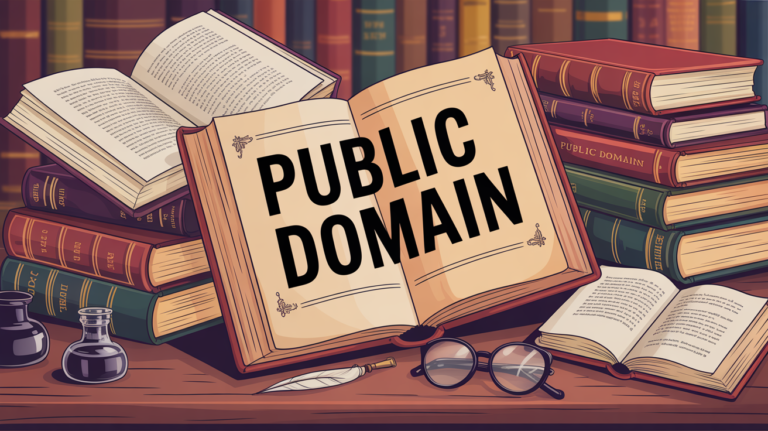
In simple terms, a public domain book is a work that is no longer protected by copyright. This means that anyone can use it, adapt it, and publish it without asking for permission or paying royalties. The copyright has either expired, been forfeited, or was never applicable in the first place. For publishers, this is a goldmine of content waiting to be rediscovered. In the United States, the rules for what constitutes public domain are relatively straightforward. As of 2024, any work published in 1928 or earlier is in the public domain. This date moves forward every year, so on January 1, 2025, works from 1929 will enter the public domain. This “95-year rule” is a critical guideline for anyone looking to publish public domain works on Amazon KDP.
Why Public Domain is a Great Starting Point for New Publishers
Starting with public domain books offers several advantages for new publishers. It provides a low-risk environment to learn the ins and outs of the publishing business. You can experiment with different niches, cover designs, and marketing strategies without the significant upfront investment of time and resources required for writing a new book. Moreover, public domain works often have a built-in audience. Classics like Pride and Prejudice or the Sherlock Holmes series have stood the test of time for a reason. By creating a new, high-quality edition of a beloved classic, you can tap into an existing market of readers who are already searching for these titles.
Amazon’s Rules for Public Domain Content
While Amazon KDP allows the publication of public domain works, they have specific guidelines to ensure a good customer experience. You can’t simply copy and paste the text of a public domain book and expect to sell it. Amazon requires that you create a “differentiated” work. This means you need to add unique value to the book. There are three primary ways to do this:•
-
Annotations: Add your own unique content, such as a biography of the author, historical context, or chapter summaries.
-
Illustrations: Include at least ten original illustrations that you have created.
-
Translations: Provide a new, original translation of a work from another language.
By adding your own creative touch, you are not only complying with Amazon’s rules but also creating a product that stands out from the competition. We will dive deeper into the art of creating differentiated public domain books in a future post.
Your First Steps into Public Domain Publishing
Ready to get started? Here’s a simple, actionable plan for your first week:
-
Explore Project Gutenberg: Spend some time browsing Project Gutenberg, the largest digital library of public domain books. Get a feel for the types of books available and start making a list of potential titles that interest you.
-
Choose a Niche: Instead of going for the most popular classics, which are often highly saturated, consider a niche you are passionate about. This could be anything from vintage cookbooks to early 20th-century science fiction.
-
Verify the Public Domain Status: Before you invest any time in a book, double-check that it is indeed in the public domain in the countries where you plan to sell it. A quick search on the US Copyright Office website can save you a lot of headaches down the road.
Public domain publishing is a fantastic way to launch your KDP business. It’s a journey that combines literary history with modern entrepreneurship. In our next post, we’ll explore how to find profitable public domain books and avoid the common pitfalls that new publishers face. Stay tuned!
public domain